What makes outdoor dining seats comfortable for long meals?
Comfort during a long outdoor meal comes from a few practical details: a seat that supports the body, enough room to eat and pass dishes, a surface that stays pleasant in warm weather, and a layout that lets people talk without leaning or twisting. Cushions help, but they cannot fix poor height, cramped spacing, or a wobbly frame.
Resin outdoor furniture is often chosen for dining areas because it can handle regular outdoor use without the same upkeep that some natural materials need. Comfort still depends on the design of the piece and the way the setting is arranged. A chair may look generous and still feel tiring if the back is too upright, the seat is too deep, or the table sits too low. The best choices balance durability with the small dimensions that affect posture.
Seat support matters more than softness
A long meal asks the body to sit still for far longer than a quick coffee. The seat should be wide enough that diners are not perched on the edge, yet not so large that shorter people slide forward to reach the table. Depth is worth checking. If the front edge presses into the backs of the knees, the seat is too deep for that person. If the thighs have little support, the seat may be shallow or too firm in the wrong place.
Back shape also changes how a meal feels. A slightly angled back lets people relax without slumping. A flat vertical back can feel formal and tiring over time. Open slats or woven-look resin panels allow air to move, which can be welcome on a warm day. Solid backs may feel more supportive, but they can trap heat unless the dining area is shaded.
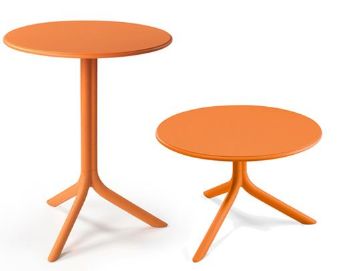
Armrests can be useful, especially for older guests or anyone who likes a place to rest their hands. The catch is table clearance. Arms that sit too high or too close to the table may block a place setting or make it awkward to cut food. When comparing chairs, picture a full plate, a glass, and a person using cutlery. That mental check often reveals problems that a showroom glance misses.
Height and table clearance change the whole experience
Dining height is one of the first things to match. Standard dining chairs and tables are designed to work together, while counter-height or bar-height sets create a different posture and a different view of the setting. Mixing heights can look interesting, but it often makes a meal less comfortable. A table that is too high makes shoulders lift. A table that is too low makes diners hunch forward.
Table clearance is the space between the seat and the underside of the table. Too little clearance makes it hard to sit upright, and too much can leave people reaching for food. Chairs with arms need extra care here, because the arms may fit under the table on one set and collide with the apron on another. Bench seating has the same issue, with the added risk that a fixed bench can place guests either too close or too far from the tabletop.
Legroom is another quiet factor. A table with a broad frame or low crossbeam may look stable but feel restrictive once people sit down. This matters most at the ends of the table, where guests may have no place to put their feet if the support sits in the wrong spot. Checking the underside of a table is not as exciting as choosing the finish, yet it has a direct effect on comfort.
Space around the table keeps the meal easy
Even a well-shaped chair becomes uncomfortable when the table is crowded. Seat spacing should allow people to sit without elbows colliding and without someone having to stand for a guest to pass. A tight layout can make a dinner feel tense, even when the furniture itself is good. A little extra room also gives diners space to place a napkin, a phone, or a shared bowl without balancing everything on the plate.
Serving space deserves the same attention. Outdoor meals often involve platters, condiments, drinks, and dishes that are passed around. If the tabletop is barely large enough for place settings, people spend the meal moving items aside. That slows the meal and interrupts conversation. A slightly larger table can be better than a compact set with more decorative appeal, particularly when the table is used for family meals rather than snacks.
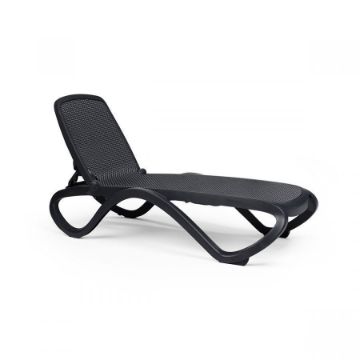
Guest capacity should be based on real seating comfort, not the highest number a table can hold in a photograph. A table may technically fit a certain number of chairs, but the meal changes when every seat is taken and the table is full of food. If long dinners are common, choose a size that leaves a little breathing room. For flexible gatherings, stackable chairs can be brought out when needed and stored away when the table is used by fewer people.
Bench seating has its own comfort rules
Bench seating can make outdoor dining feel relaxed and social. It also asks careful planning, because one continuous seat changes how people sit and how close they are to the table. Some people naturally sit back, while others sit forward to eat. A bench that works for one posture may put the next person too far from their plate. The surface should be broad enough to sit on properly, with a back that supports the lower and middle back rather than pushing the shoulders forward.
For garden benches used near an outdoor table, the relationship between bench height, table height, and leg clearance is more important than cushion thickness. A bench that is meant for a quiet corner may not suit dining, even if it looks sturdy. Dining-focused designs usually make more sense when meals are frequent, since the proportions are set around eating rather than lounging. A bench with a back and arms can feel welcoming, but arms can reduce the number of people who fit comfortably along one side.
Resin designs can be useful in this setting because the material is commonly used for outdoor pieces that need practical care. Texture still matters. A smooth seat may feel fine at first but become slippery when wet or when someone shifts position. A lightly textured surface can give more confidence without feeling rough. Edges should be rounded enough that the front of the seat does not dig into the legs during a long sit.
Shade, warmth, and small comforts
Outdoor comfort changes through the day. A seat that feels pleasant in the morning may be uncomfortable in direct afternoon sun. Shade from a canopy, umbrella, pergola, or nearby planting can make a larger difference than a thicker pad. It also keeps tabletops cooler and makes food and drinks easier to manage. If the dining area has little shade, lighter finishes may be more comfortable to touch than dark surfaces that heat up quickly.
Wind is another detail that is easy to overlook. A dining area exposed to constant breeze can make people pull clothing tight and lean into the table. Solid backs can block some wind, while open designs let it pass through. Neither option is right for every space. The useful question is whether the seating helps people settle, or whether they keep adjusting to the conditions.
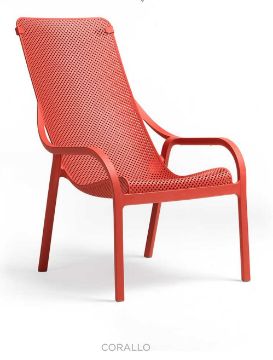
Cushions can add softness, but they should fit the seat rather than slide across it. Outdoor cushion covers that can be removed for cleaning are practical for meals, where spills are part of normal use. Even so, cushions should be treated as a bonus. Good seating comfort starts with the frame, the seat angle, the table relationship, and the space around each place setting.
Resin chaise lounges, chairs, dining pieces, swings, and poolside seating all serve different purposes, so comfort should be judged by the task. For long meals, the strongest setup is usually a stable dining table, chairs or benches with sensible proportions, enough room to move, and a shaded spot. When those basics line up, guests can focus on the food and conversation instead of shifting in their seats. Many garden benches can fit an outdoor setting, but dining comfort depends on whether the proportions support the way people actually eat.